
NEW ECONOMY & PROFESSIONAL EXCHANGE · HONG KONG · 2025
WEB3.0 Chained WealthNew Connections in Wealth, Between Markets and Technology
WEB3.0 Chained Wealth
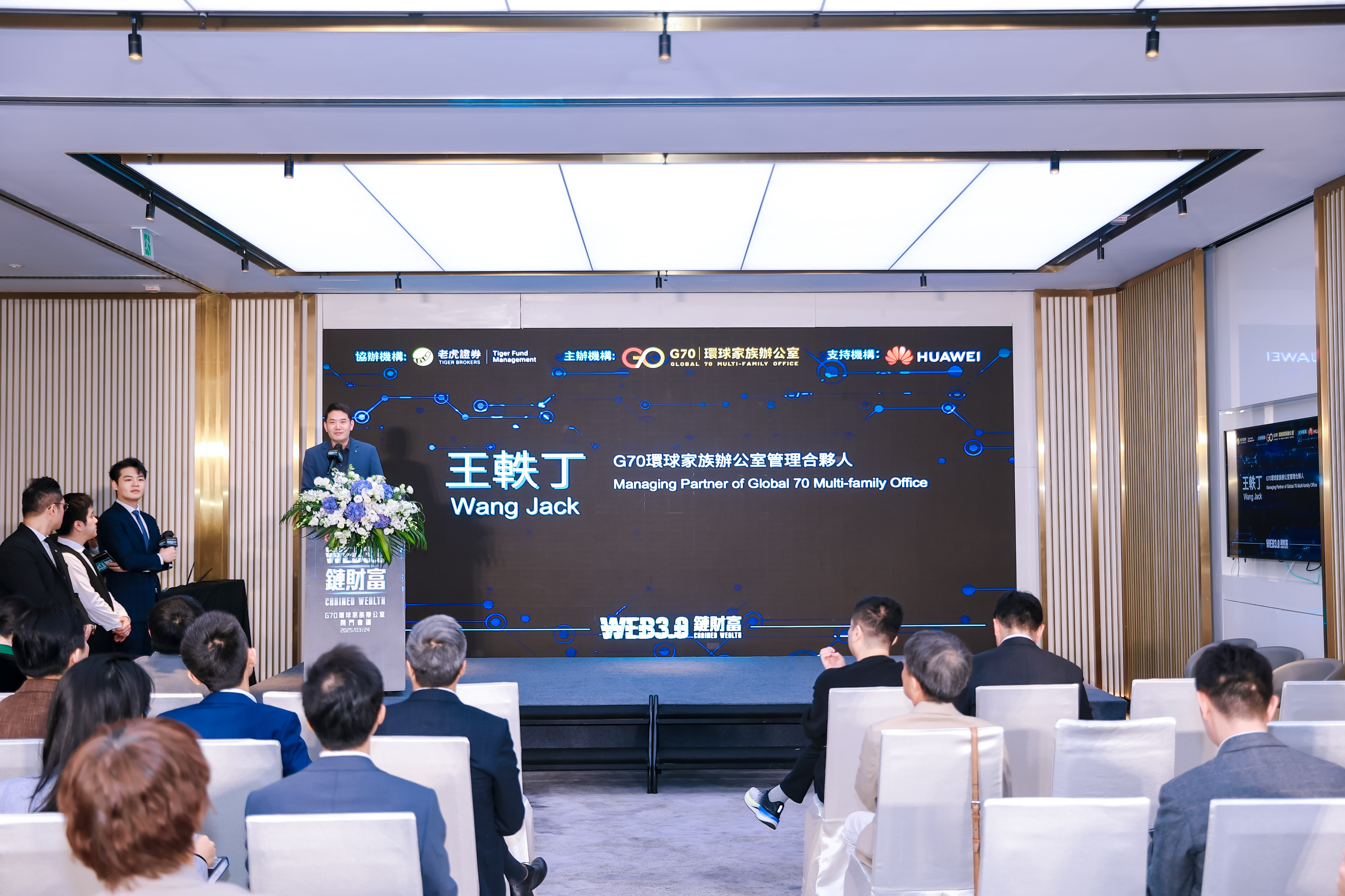
On 24 March 2025, G70 brought together practitioners from finance, investment, technology and Web3.0. Beginning with China and US markets and the positioning of global core assets, the conference moved through Web3 investment opportunities, integration with traditional finance and investment strategy—placing frontier topics within a framework that could be understood and compared.
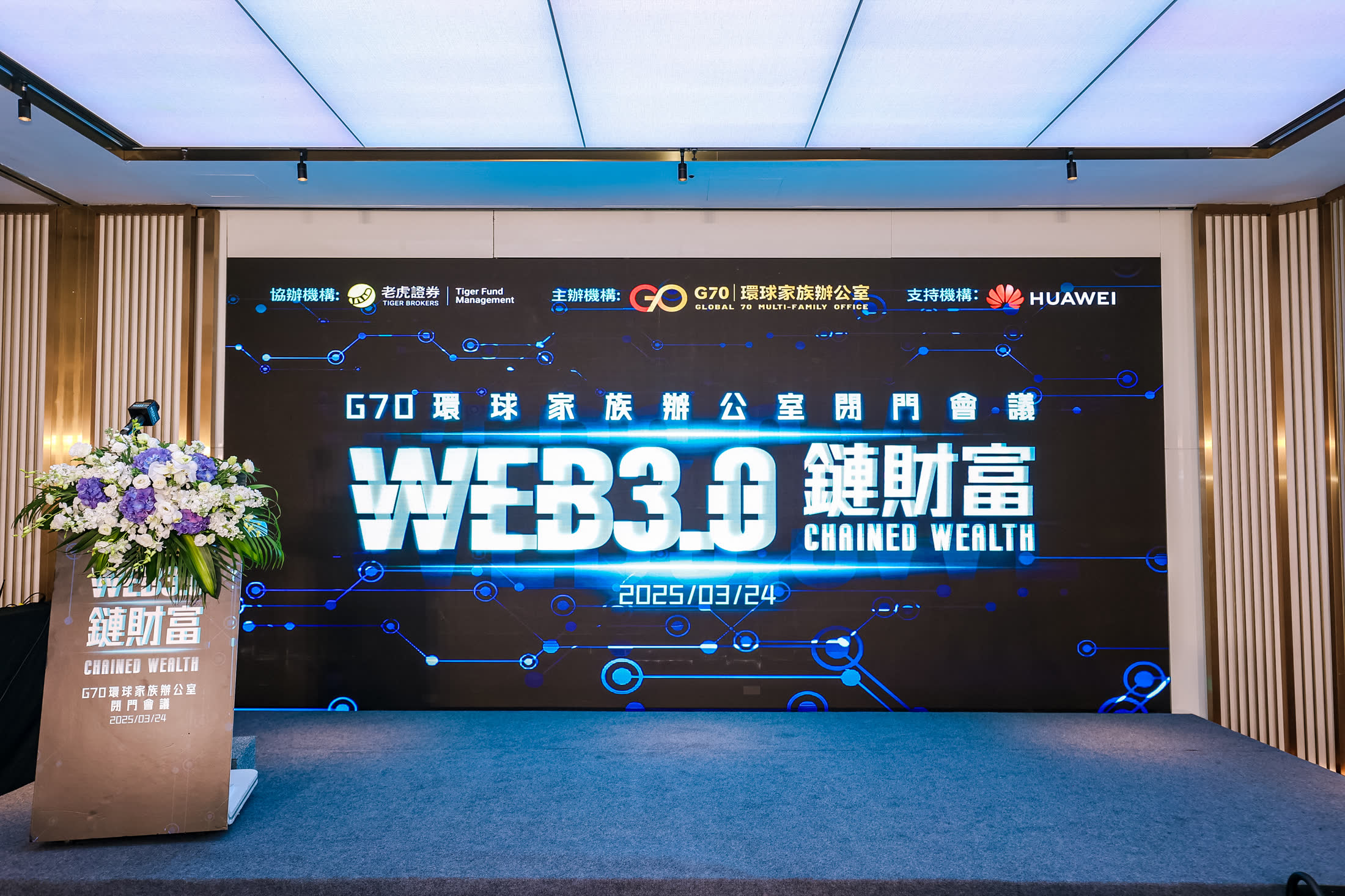
Event details
Event details
- Date
- Venue
- 22 Cotton Tree Drive, Central, Hong Kong
25/F, The Murray, Hong Kong, a Niccolo Hotel - Organiser
- G70 Global Multi-Family Office
- Co-organisers
- Tiger Brokers, Tiger Fund Management
- Supporting organisation
- Huawei
Why the event began
When a new technology presents both opportunity and risk, where should the analysis begin?
Not by rushing to answer “what should we buy?”, but by building a method of judgement capable of outlasting hype and volatility.
Blockchain, artificial intelligence and the Internet of Things are changing how value is created, recorded and transferred. Yet when technical language, asset prices and market narratives arrive at once, speed is easy to see and structure is much harder: where is value created? Who provides infrastructure that cannot readily be replaced? At which point does risk accumulate?
The WEB3.0 Chained Wealth closed-door meeting began with traditional markets before moving into the on-chain world. G70 invited practitioners from finance, investment and industry to connect the macro environment, industry development, financial integration and strategic tools within one line of enquiry—so that frontier topics would become more than terminology.
China–US market insights and global core assets
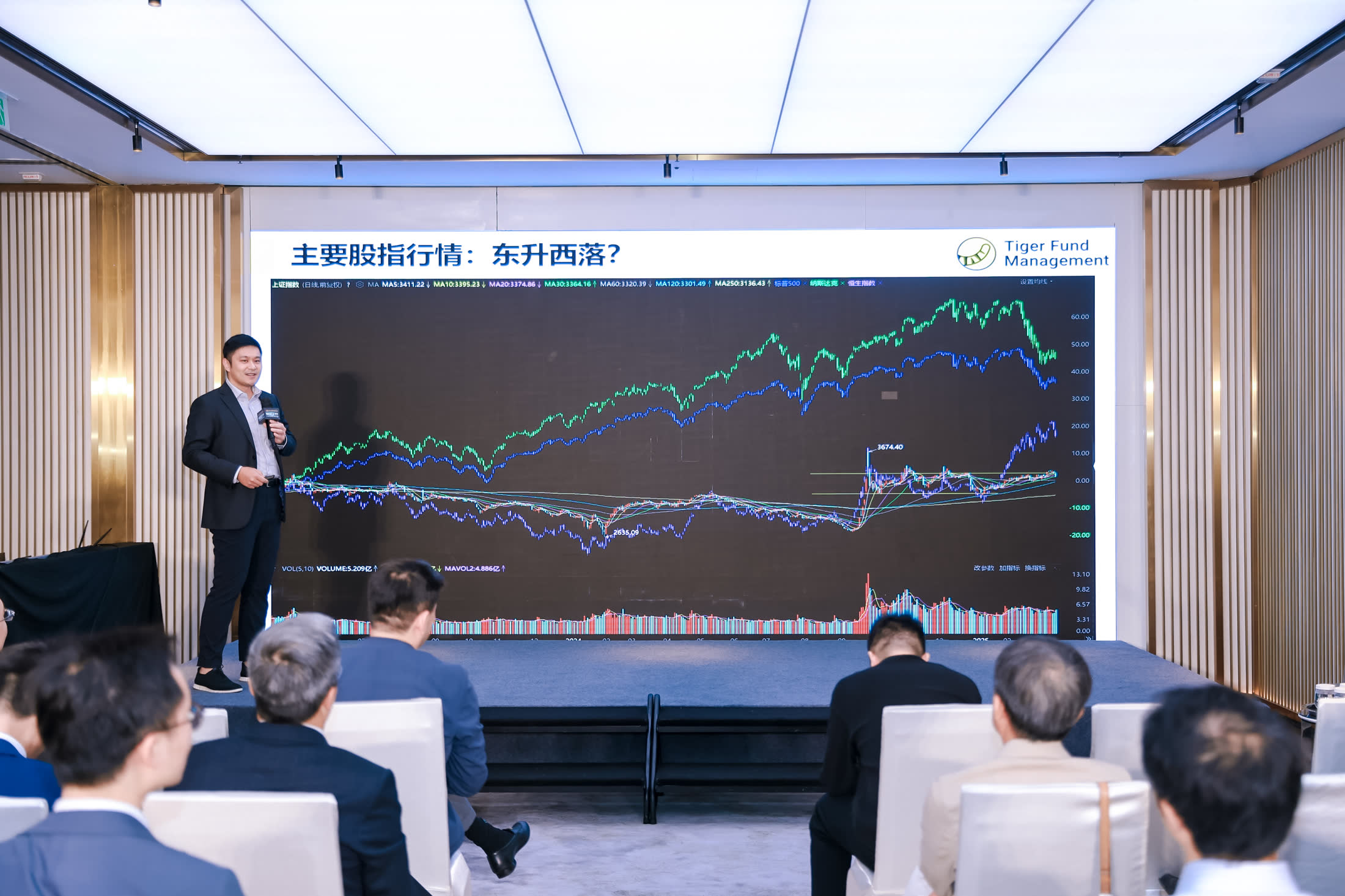
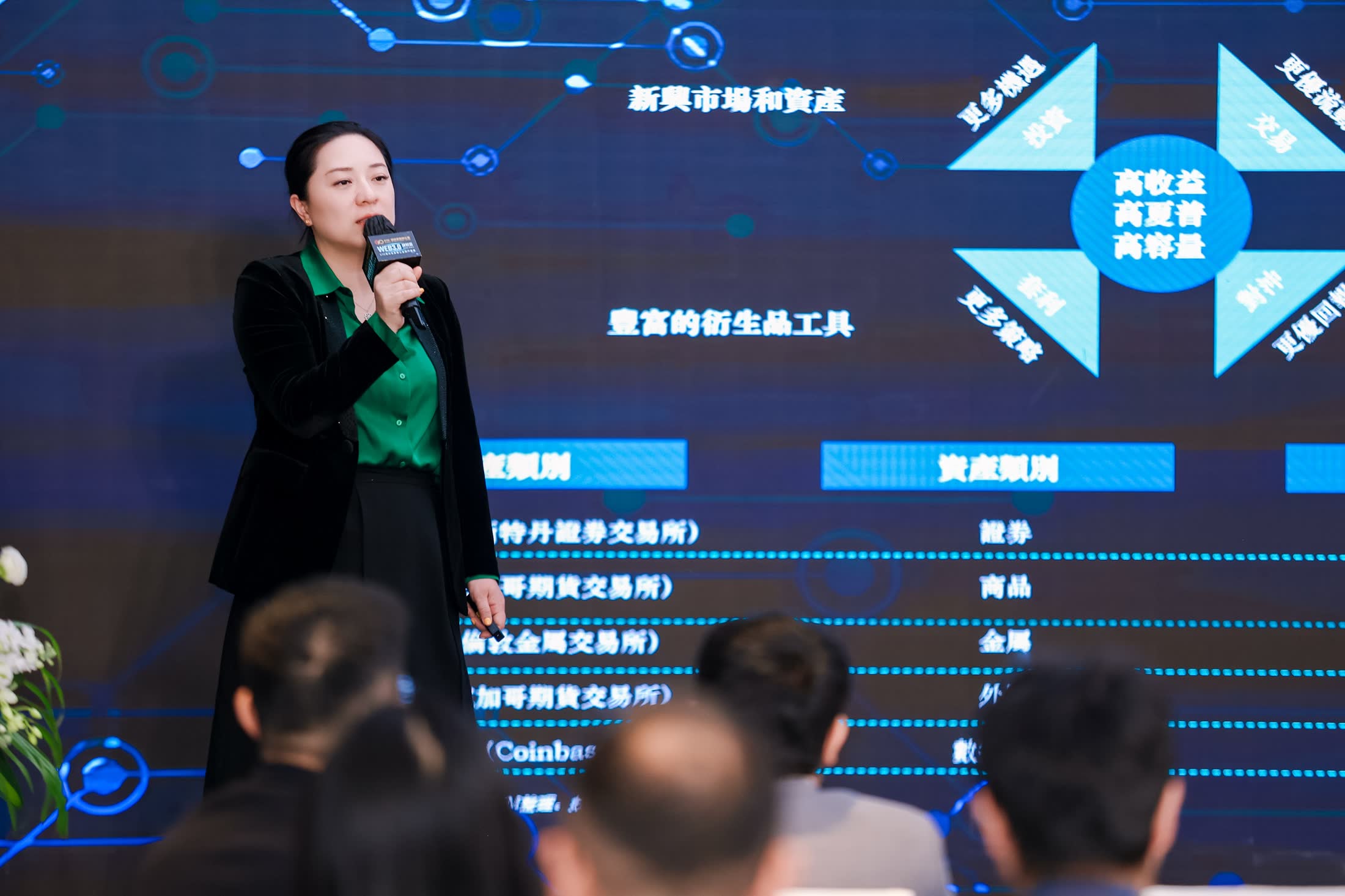
Representatives of Tiger Brokers and Tiger Fund Management examined market performance, major indices and core assets across China and the United States.
Web3.0 investment opportunities and challenges
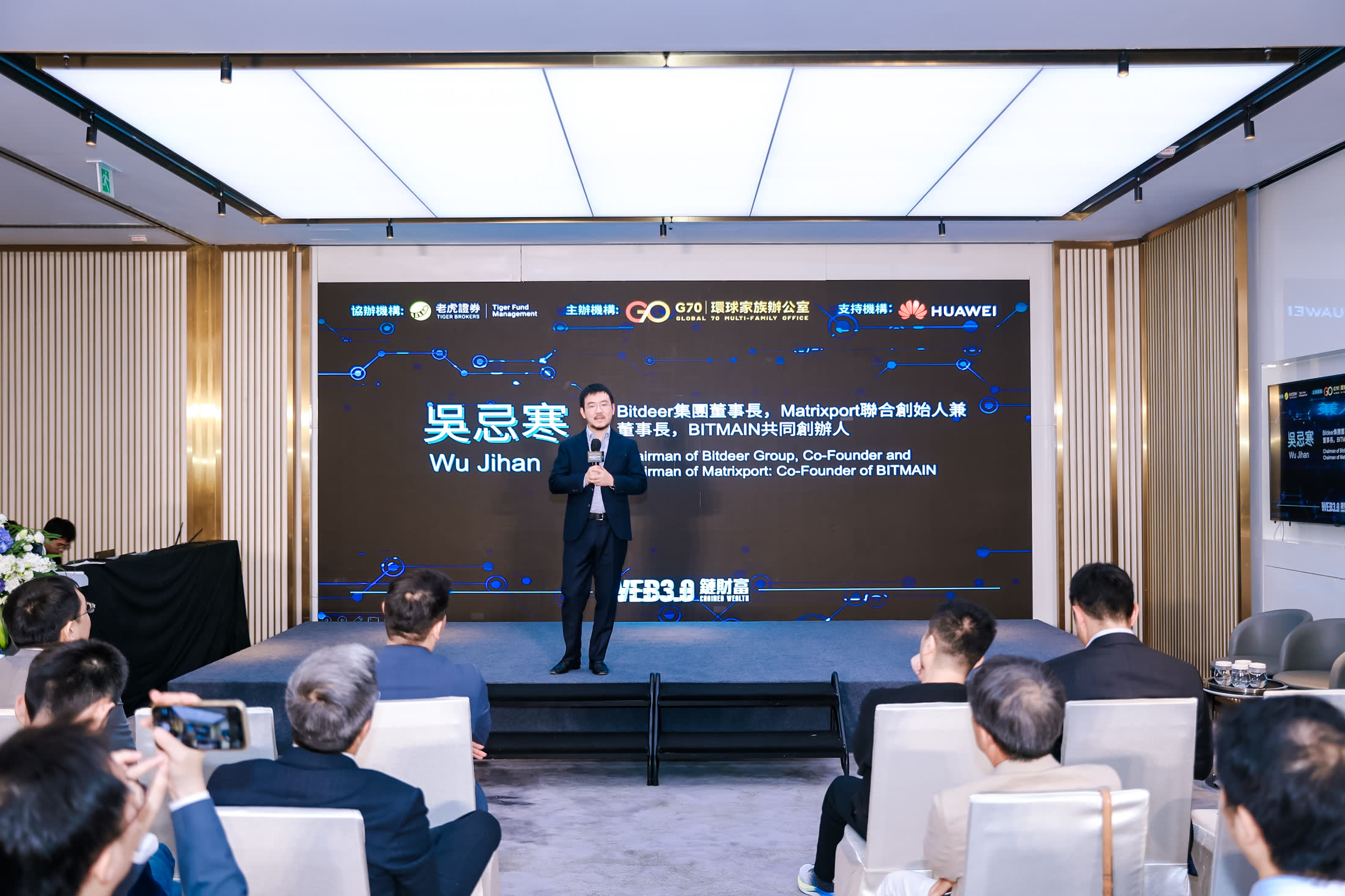
Wu Jihan shared industrial development, investment opportunities and market challenges, bringing the focus back to infrastructure, business models and risk judgment.
Integrating traditional finance and Web3.0
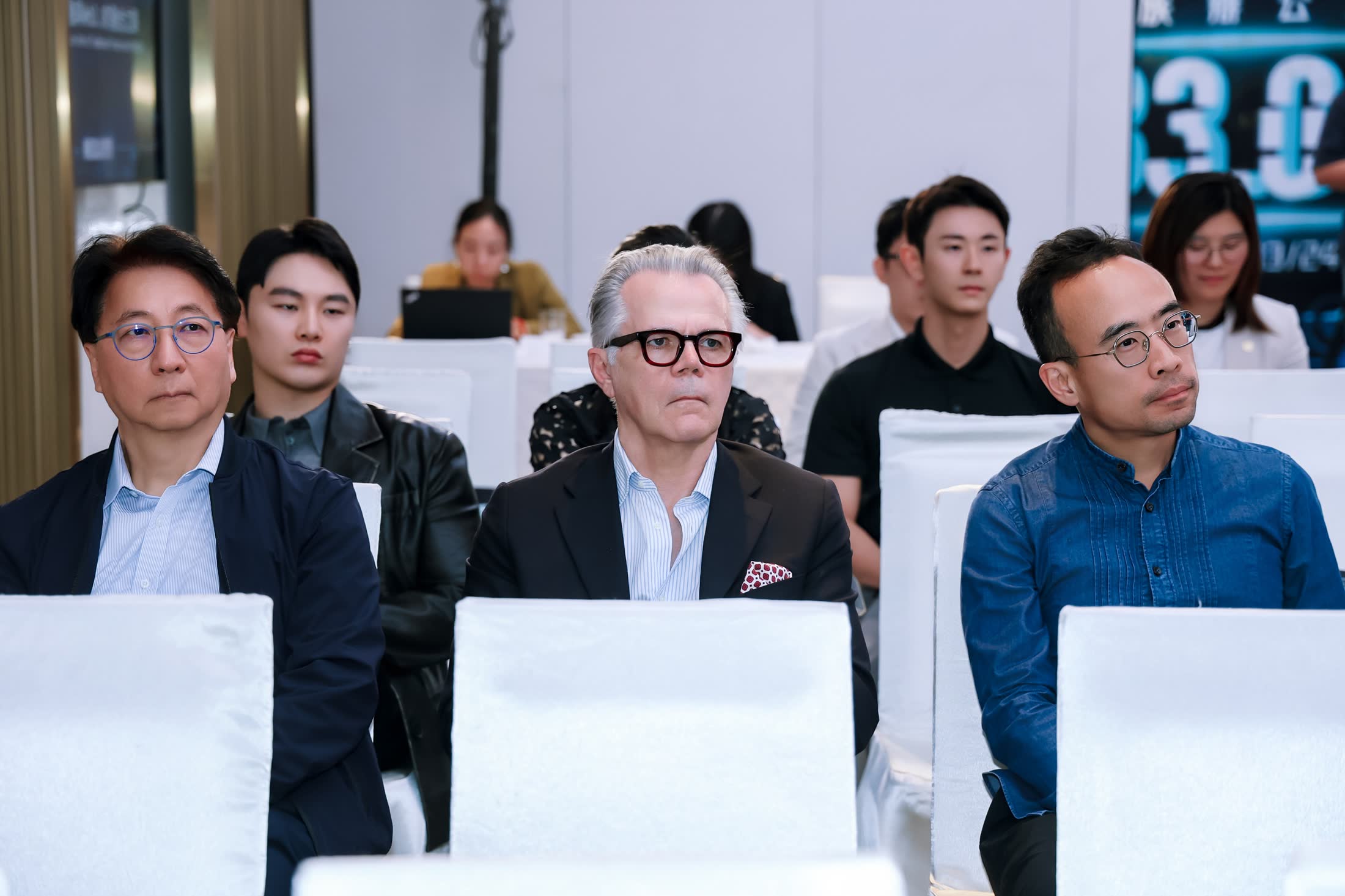
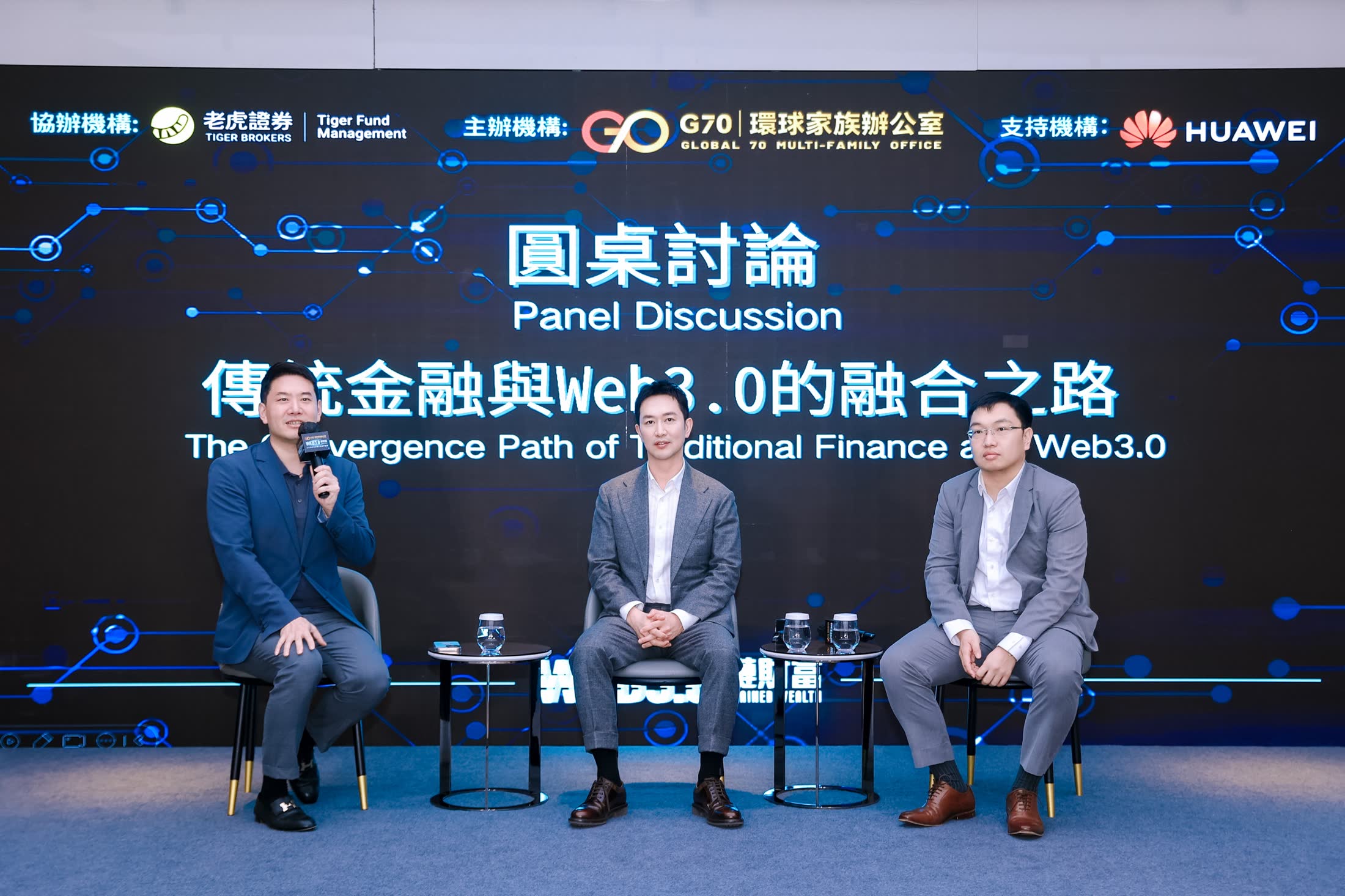
Three guests considered how the two financial systems might connect, drawing on their different roles in the market.
Web3.0 investment strategies
The discussion extended to emerging assets, derivatives and practical strategies, turning “chained wealth” into more specific research questions.
Industry perspective
Prices change every day. Industry foundations require a deeper view.
The long-term viability of an ecosystem depends on three questions: is the infrastructure reliable, are its use cases real, and are participants prepared to build for the long term?
Wu Jihan—Chairman of Bitdeer Group, Co-founder and Chairman of Matrixport, and Co-founder of BITMAIN—shared his perspective on Web3 investment opportunities and challenges, drawing on experience across mining hardware, computing power and digital-asset services. His industry view moved the discussion beyond on-screen price curves to the underlying structures that support market activity.
For investors, that distinction matters. Prices may reflect sentiment over the short term, while industry value must be tested gradually through technical capability, genuine demand and sustained investment. Understanding the difference is essential to separating opportunity from speculation.

Integration and strategy
From “whether to participate”to “how to understand and allocate”
As traditional finance begins to connect with Web3, the question is no longer only whether to enter the market, but through which role, tools and risk budget a family should participate.
The roundtable, “The Road to Integration between Traditional Finance and Web3.0”, examined how the two systems could connect through the experience of different market participants. Later sessions turned to emerging markets, assets and a broad range of derivatives; strategies discussed included buy-and-hold, swing trading, arbitrage and quantitative CTA.
The names may sound simple, but the underlying risk structures differ materially. Holding must withstand cycles; trading depends on execution discipline; arbitrage introduces liquidity and counterparty risk; quantitative strategies test models, data and systems. A considered allocation must translate these differences into decisions that a family can understand, monitor and bear.
Where does the value come from?
Distinguish between price narrative, actual use and underlying industry value, and do not let popularity replace research.
Who bears the risk?
Understand the responsibilities of each layer in custody, platform, liquidity, leverage and execution arrangements.
How does it fit within a portfolio?
Use the family’s time horizon, liquidity needs and capacity for loss to determine an appropriate position.
G70’s role
The on-chain world moves quickly. Family judgement can remain steady.
Keeping an open mind does not mean chasing momentum. Foresight begins with knowing which questions to ask while change is still taking shape.
This closed-door meeting brought macro markets, the Web3 industry, financial integration and practical strategies into one field of discussion. Moving from markets to technology, from technology to tools, and from tools back to a family’s capacity for risk, the event did not produce one standard answer. It established a line of enquiry that can continue. G70 will keep connecting practitioners across disciplines to help families understand change, identify boundaries and preserve choice around long-term opportunities that merit serious consideration.
View all G70 Events